
"grow in Ethiopia"
7000 article(s) found

Coffee Bean Brands in eight Coffee producing areas in Ethiopia ranking Sidamo Coffee Taste characteristics
For the exchange of professional baristas, please pay attention to the coffee workshop (Wechat official account cafe_style). The Guji producing area of southern Ethiopia is adjacent to the Sidamo and Gedeo areas, with towering mountains, highlands, plateaus, valleys and plains. The geology of this area belongs to the volcanic soil with rich nutrients and good drainage, and the depth of the soil is close.

The most flavored variety, "Mocha Haral"
The most famous coffee in Ethiopia is Harald coffee. Harald is located in eastern Ethiopia. Harald is an ancient city with a long history and one of the four holy cities of Islam. The Harald region has the best altitude for Arabica coffee and is the highest coffee producer in Ethiopia. Harald, Ethiopia, like Mocha in Yemen, is pure-handed.

Characteristics of Flavor and Taste of Fine Coffee beans in Ethiopian Coffee Manor
Large-scale coffee-growing villages account for about 35% of the country's total coffee production. These coffee farms, which use a multi-tier coffee planting system, are carefully cared for. Coffee farmers do not use chemical fertilizers, but use fallen leaves and animal and plant debris to increase soil nutrition. In addition to coffee, farmers also frequently grow non-coffee crops. It even accounts for the total amount of coffee in the country.

Introduction to Ethiopian Coffee from the producing area of Fine Coffee
Ethiopia is one of the major producers of Arabica coffee in Africa, producing the best Arabian coffee in the world. It is said that coffee was first discovered by shepherds in Essekafa, and the name of coffee evolved from Kafa, so Essex is still the hometown of coffee. The geographical environment of coffee production and processing is very suitable for coffee growth. Coffee is mainly cultivated.
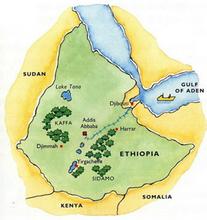
Introduction to Boutique Coffee Estate; Details of Ethiopian coffee beans (mocha)
Ethiopia (Ethiopia) is one of the major producers of Arabica coffee beans in Africa and produces the best Arabica mocha beans in the world. It is said that coffee beans were first discovered by shepherds in the Kafa region of Ethiopia, and the name of coffee evolved from Kafa, so Ethiopia is still the hometown of coffee. Production and processing of coffee beans Ethiopia
Ethiopian coffee beans Mocha coffee beans
Ethiopia (Ethiopia) is one of the major producers of Arabica coffee beans in Africa and produces the best Arabica mocha beans in the world. It is said that coffee beans were first discovered by shepherds in the Kafa region of Ethiopia, and the name of coffee evolved from Kafa, so Ethiopia is still the hometown of coffee. Production and processing of coffee beans Ethiopia

Introduction of planting varieties of Rose Summer Manor in Rosa Village, Ethiopia by Lot#961
Professional coffee knowledge exchange more coffee bean information please follow the coffee workshop (Wechat official account cafe_style) name: Ethiopia Rosa Village (geisha village) Manor sun geisha Lot#961 (Ethiopia Gesha Village Coffee Estate Natural Geisha Lot#961) flavor description: spices, chocolate, wine, sweet cherries, sweet hot

A brief introduction to the History and Culture of the Origin and Development of Fine Coffee beans in Ethiopia
Honey kiss (NekisseN2): [origin]: 90 + Ethiopia Wellega (Woliga) and Sidama Hidamo) production areas [season]: 2013-2014 [variety]: Ethiopian native species [Level]: 12 [altitude]: 17502000m [treatment]: sun [flavor]: taste clean, multi-layered. Peaches, berries, passion fruit and cream, cow

Where is the authentic rosy summer coffee? How to drink coffee in Rosa Village, Ethiopia?
Professional coffee knowledge exchange more coffee bean information please follow the coffee workshop (Wechat official account cafe_style) Rose Xia Village coffee is good? Is there any difference between Rose Xia Village and Rose Summer? Adam Ormonton (Adam Overton), an American who works as a documentary filmmaker, was commissioned to make an Ethiopian Coffee documentary in 2007.

Introduction to the growing environment of Ethiopian coffee
Ethiopian coffee beans grow in close to the natural environment, after years of planting under the same growth conditions, Ethiopian coffee beans have gradually adapted to the environment here. More than 60% of coffee beans are grown in forests or semi-forests. Large-scale coffee-growing villages account for about 35% of the country's total coffee production. Many of these are used.

Introduction of Ethiopian Coffee Culture, Coffee Climate cultivation in Ethiopia
Following Kaiping (official Wechat account vdailycom) found that Beautiful Cafe opened a small shop of its own in Ethiopia, which is located between 3 and 14 degrees north latitude, with coffee trees covering an area of nearly 600000 hectares. There are two rainy seasons a year in the south and east of the country, while there is only one rainy season in the west. The distribution of the rainy season is different, so coffee is harvested in Ethiopia all the year round. Coffee grows.

Ethiopian coffee climate
Following Cafe (Wechat official account vdailycom) found that Beautiful Cafe opened its own shop for Ethiopian Coffee Climate if you like coffee, there is one more reason to pay attention to climate change. Ethiopia, an important coffee producer, will be greatly affected if global warming is not contained, and at worst nearly 60% of the country's coffee-producing areas will be affected, according to a new study.
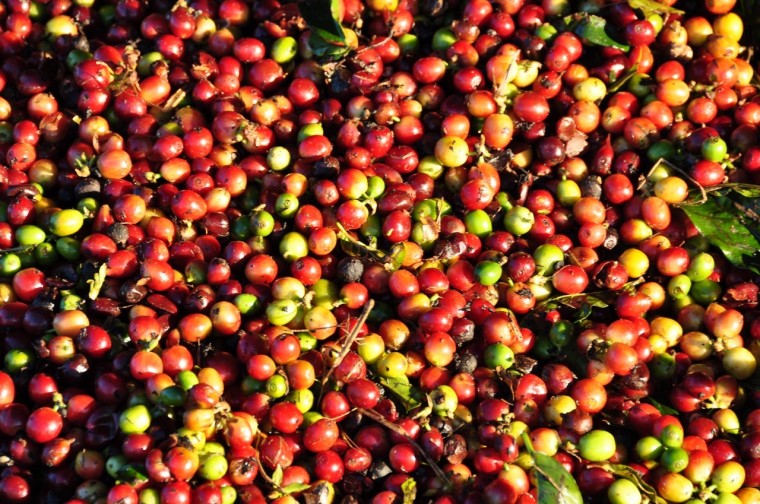
Ethiopia West Dharma Fine Coffee Details? Sidamo Flavor Description Sidamo GujiG
Ethiopia is one of the major producers of arabica coffee in Africa and produces the best arabica coffee in the world. It is said that coffee was first discovered by shepherds in Ethiopia, and the name of coffee evolved from Kafa, so Ethiopia is still the hometown of coffee. Coffee production and processing Ethiopia's geographical environment is very suitable for coffee growth. Coffee is mainly grown.
The hometown of coffee-Ethiopia
Ethiopia is one of the major producers of Arabica coffee in Africa, producing the best Arabian coffee in the world. It is said that coffee was first discovered by shepherds in Essekafa, and the name of coffee evolved from Kafa, so Essex is still the hometown of coffee.

Global coffee production Ethiopia coffee production
The coffee tree originated in Ethiopia, where it was originally a wild plant, and the name coffee comes from the Ethiopian town of Kaffa. Humans probably knew how to cultivate coffee trees as early as the 9th century. Ethiopia's coffee growing area: Ethiopia's many coffee trees are still wild plants, this coffee tree grows coffee particles full

Description of Coffee Flavor and Flavor in LOT2 Valley producing area, G1 Tingtu Village, Sidamo, Ethiopia
For the exchange of professional baristas, please follow the coffee workshop (Wechat official account cafe_style) Product name: Ethiopia washed West Dharma G1 Tingtu Village LOT2 Guji production area (Ethiopia Sidamo Guji Dimtu Lot2 washed G1) flavor description: fresh flower flavor, air-dried orange, lime, cream, spiced tea, sweet and sour balanced, full-bodied sweet taste. Country
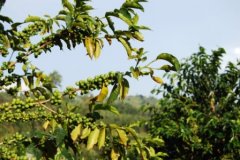
Ethiopia emphasizes fruity and floral boutique coffee
In fact, according to Ms. Knudsen, people started drinking fine coffee, but later, due to the growing demand for coffee, the discovery and use of new coffee varieties led to the decline of coffee quality. later, people even began to dislike this bad coffee and began to turn to other drinks. In this case, Ms. Knudsen's re-recognition

African Coffee Manor Ethiopia Gemma Coffee Raw Bean DjimmaG4 Sun Mocha Flavor
CONTENT [product name] Gemma Djimma [place] Ethiopia (Ethiopia) [place] sun [baking] recommended baking degree: deep baking [cup review] slightly sour, full and complex palate, special fruity aroma (similar to earthy or herbaceous) Gemma is close to Harald's complex wildness in style, slightly bitter on the palate, low acidity, warm and full-bodied taste.

Ethiopian Coffee producing areas distribute Ethiopian Coffee beans stories Ethiopian Coffee
Professional coffee knowledge exchange more information on coffee beans Please follow the coffee workshop (Wechat official account cafe_style) Coffee first discovered that the Kafa continent in southern Ethiopia was located in the place name Kaffa, and it was not officially named after Coffee until the 18th century. The geographical environment of Ethiopia is very suitable for coffee growth. nowadays, coffee is mainly grown between 1100 meters and 2000 meters above sea level.

A brief introduction to the unique fragrant Ted Manor in the coffee producing area of Sidamo, Ethiopia
Ethiopian people are addicted to coffee. In 2003, domestic consumption accounted for 42.3% of the total output, with a per capita consumption of 3 kg. But more than half of the coffee produced each year is used for export to earn foreign exchange. The main exporters include the United States, Italy, the United Kingdom, Sweden, Norway, Greece, France, Belgium, Germany and Australia. Coffee is Ethiopia's most important export cash crop, and it is Ethiopia's foreign exchange income.